
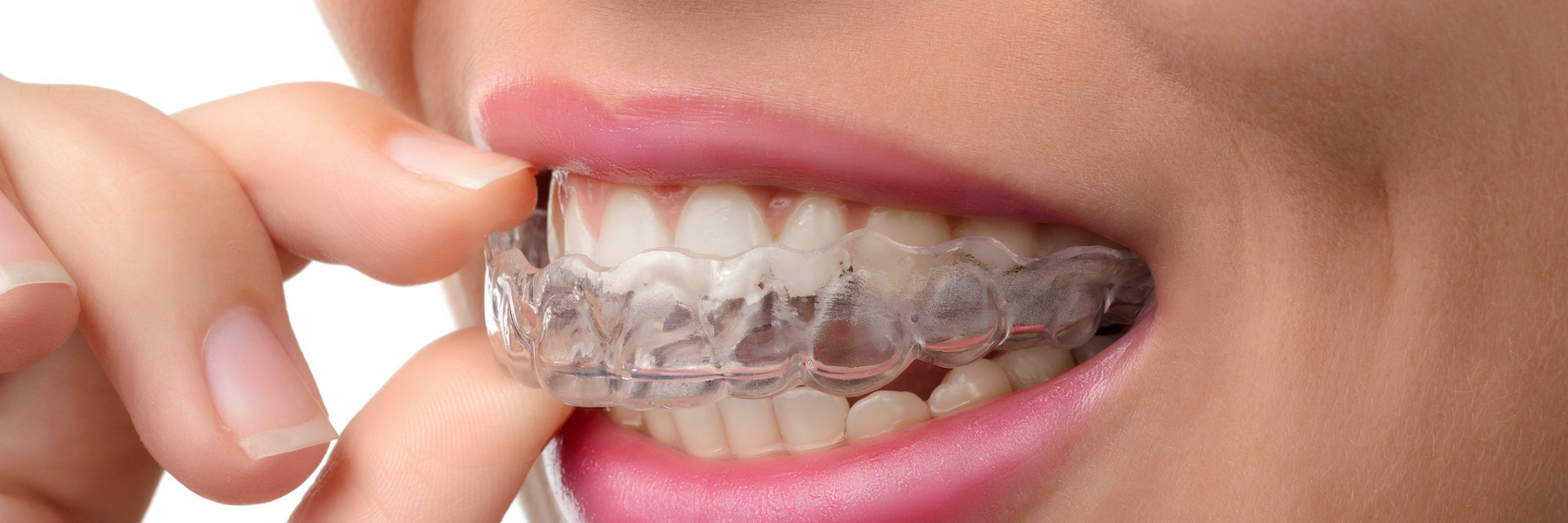

If your dentist has fitted you for a nightguard because of teeth grinding, but your partner still complains about your snoring, there may be a factor you haven't considered.
Teeth grinding vs. sleep apnea isn't always an either/or situation. The two frequently occur together, and a standard nightguard designed for grinding does nothing to address the airway obstruction that causes sleep apnea and snoring.
Are Teeth Grinding and Sleep Apnea Actually Connected?
Yes, they are, and the connection between them is more compelling and common than most people realize.
How Often Do They Occur Together? Let's See the Research!
The connection is quite common. A large-scale study published in the Journal of Clinical Sleep Medicine found that nearly half of adults with obstructive sleep apnea also experience sleep bruxism, and that grinding tends to accompany breathing disruptions. So grinding is seemingly a direct response to the body's struggle to breathe.
Why Grinding Might Actually Be a Symptom, Not the Root Problem
Rather than treating it as an isolated habit, recognizing teeth grinding as a physical reaction to airway obstructions during sleep offers valuable perspective. Treating the grinding alone without addressing the underlying breathing issues only manages a symptom without addressing the underlying cause.
Why a Standard Nightguard Falls Short
What a Standard Nightguard Actually Does
A standard nightguard creates a physical barrier between the upper and lower teeth, protecting them from damage from grinding and clenching. It does nothing to open the airway.
Could a Nightguard Make Sleep Apnea Worse?
In some cases, a standard nightguard can actually make sleep apnea symptoms worse. Because a flat nightguard doesn't reposition the jaw forward, it can allow the tongue and soft tissue to fall further back in the airway, actually increasing obstruction.
What a Custom Sleep Appliance Does Differently
A custom sleep appliance, unlike a standard nightguard, gently repositions the lower jaw forward, helping keep the airway open. This addresses the underlying cause of both the breathing disruption and, by extension, the grinding.
Because grinding and sleep apnea can be so closely linked, the best way to determine the right treatment is a professional evaluation.
Tailored Sleep Appliance Therapy in High Point, NC
If a standard nightguard hasn't solved your snoring, it’s time to find out whether a custom sleep appliance is a better fit. Contact Dr. Cassidy Bray and the friendly and knowledgeable Deep River Dentistry team today to schedule a consultation.